
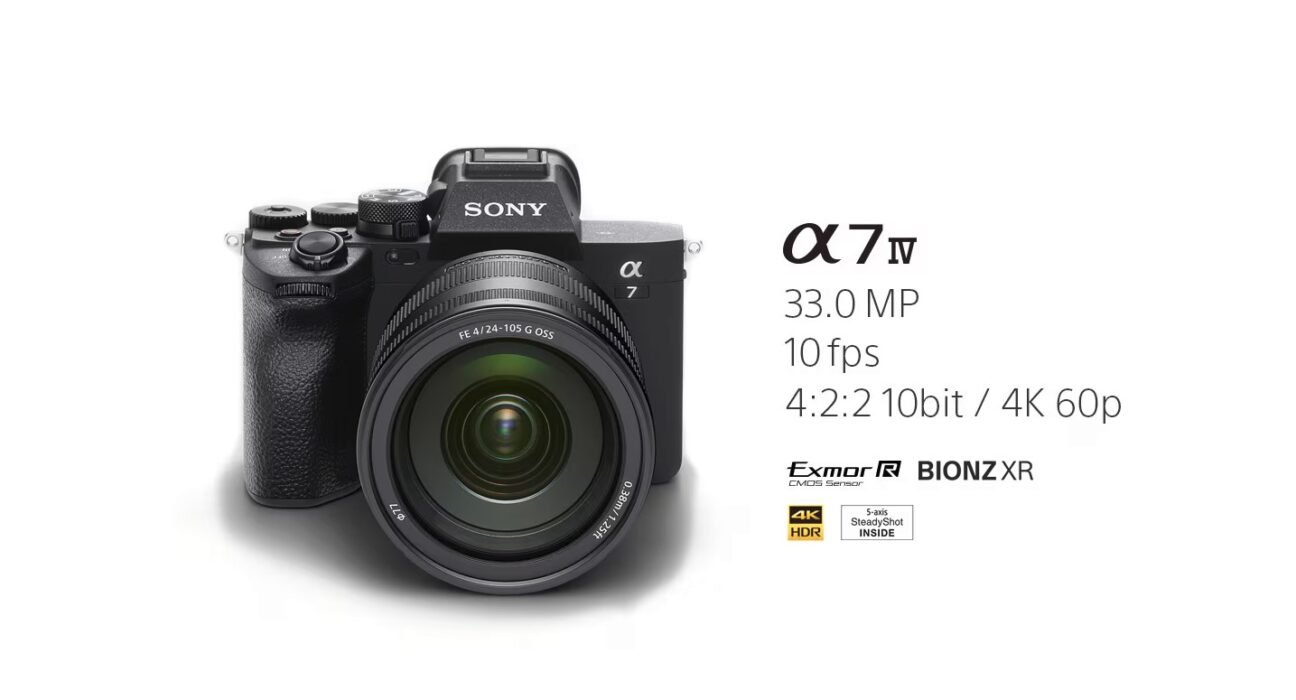
Sony Alpha 7 IV and 28-70mm lens, and it feels like a versatile tool for both photos and video. The camera handles sharp images with rich colors, and its autofocus works well even in dim light. While it has quite a few buttons to get used to, the grip feels solid and comfortable for longer shoots.
The mix of photo quality and video features makes it a solid choice if you want one camera for different needs. It’s not the lightest model, but the image stabilization helps keep shots steady. Overall, the Alpha 7 IV suits those who want good image detail and smooth video without switching gear.
Bottom Line
If you’re looking for a reliable hybrid camera that balances photo quality and video capability, the Sony Alpha 7 IV is worth considering. Its strong autofocus and image details will help you capture moments clearly, whether for stills or video. Check it out and see if it fits your creative needs.
Overview of the Sony Alpha 7 IV
We found the A7 IV to be a solid all-around camera that handles both photos and videos well. Its 33MP sensor delivers sharp, clear images with natural colors that require minimal editing. Autofocus is quick and reliable, even in tricky lighting.
The camera feels comfortable to hold, but it takes some time to get used to all the buttons and settings. The kit lens is decent for everyday shooting, though we’d want to upgrade for more specialized work. The video features, including 4K 60p, make it a good choice if you want to do both stills and video without switching gear.
One downside is the menu system, which can be confusing at first. Still, the mix of advanced features and solid performance makes this a versatile tool for serious creators.


Key Features
After spending some time with this camera, we found several features that stood out as both helpful and sometimes a bit tricky. It’s clear the camera is designed for serious use, yet it still balances ease and power.
33MP Exmor R Full-Frame Sensor
The 33MP sensor grabs a lot of detail and works well in different lighting conditions. We noticed our photos had sharp colors and good brightness, especially in low light. The back-illuminated design really helps with clarity. Sometimes, though, the high resolution means large file sizes to manage, which can slow down editing if your computer isn’t ready for it.
BIONZ XR Image Processing Engine
The new processing engine feels much faster than what we’ve tried before. It handles complex scenes quickly and keeps colors natural without overdoing it. We liked how smoothly it processed images, even when shooting in burst mode. There were moments when it seemed a bit slower with high-res RAW files, especially under heavy editing loads, but overall, it kept up well.
4K 60p Video Recording
Shooting in 4K at 60p gave us smooth video with good detail. The frame rate helps with capturing action without fuzziness. The footage looked crisp, and oversampling at 7K for 4K 30p added extra sharpness. While it’s great for video, we noticed the camera can heat up if recording too long in 4K 60p, so keep an eye on recording time.
Real-Time Eye Autofocus
The autofocus system is very reactive, locking onto subjects’ eyes almost instantly. This made portrait shots easier to nail without wasting time tweaking focus. It worked well for both people and animals, which was impressive. We found, however, that in very low light or with fast movement, it sometimes hesitated or missed the focus slightly.
Pros and Cons
After spending time with the Sony Alpha 7 IV, we found some clear strengths and a few drawbacks worth considering.
Pros
The camera delivers excellent image quality with sharp details and vibrant colors, making our shots look professional. Autofocus works fast and reliably, even when the light is low, which really helps in different shooting conditions. We liked the improved grip, which made handling the camera more comfortable during long sessions. The included 28-70mm lens is versatile enough for everyday use, so it covers a good range without extra gear. Plus, the video capabilities stood out, offering smooth 4K recording with great color profiles that make footage look polished without much editing.
Cons
On the downside, the controls can feel overwhelming at first, with many buttons and settings to learn before getting fully comfortable. The 28-70mm lens, while decent for daily shooting, doesn’t perform as well in low light or for close-up shots compared to more specialized lenses. Battery life is okay but not exceptional, meaning we had to carry extras for longer shoots. Also, the camera’s size is bigger than some mirrorless options, so it’s not the lightest choice if you prefer something very compact.
Overall, this camera suits those ready to invest some time to learn it well and who want a reliable mix of photo and video performance in a single package.
Customer Reviews
We found that people really appreciate how well this camera handles in different shooting situations. Many users mention the sharp image quality and fast autofocus as strong points, even when lighting isn’t perfect. The grip and design also get positive notes for making it comfortable to hold during long shoots.
On the flip side, some say there is a learning curve because of all the buttons and settings. It takes time to get used to the controls if you’re not already familiar with Sony cameras. Overall, most users feel it’s a solid choice for both serious hobbyists and professionals, especially those moving from other brands.
What users like:
- Clear, sharp photos
- Reliable autofocus
- Comfortable grip
What users mention as a challenge:
- Steep learning curve on controls
- Time required to master features
Creative Flexibility for Photo and Video
When using this camera, we noticed how smoothly it handles both photos and videos without needing to switch gears. It gives us plenty of room to experiment with shooting stills or moving images. That flexibility really helps during shoots where we want to capture everything without hassle, but it also means there’s a bit of a learning curve to get the most out of its features.
Hybrid Shooting Experience
We found the hybrid shooting to be one of the strongest points. The camera switches easily between photo and video modes. The autofocus stays fast and accurate no matter what we’re doing, which keeps our shots sharp. Continuous shooting works well, and the sensor-shift stabilization helps reduce blur, especially in handheld shots. However, the menu system can feel a little overwhelming at first because of the many options for customizing both photography and video.
S-Cinetone Color Profile
The S-Cinetone color profile stood out for video work. Colors look natural and pleasing straight from the camera, requiring less time in post-production. Skin tones appear smooth and lifelike, which is great for interviews or short films. We did notice that while the color profile is beautiful, it might not offer the full range of grading flexibility some advanced users want. Still, it’s a solid choice for those looking for great color without extra work.
Overall, the camera offers real creative freedom, especially if you often do both photos and videos in the same session. It balances quality and convenience better than many other cameras we’ve tried.
Conclusion
After using the Sony Alpha 7 IV with the 28-70mm lens, we found it to be a solid camera for both photos and videos. The image quality is clear and vibrant, and the autofocus works well even in tricky light. The grip feels comfortable, but there are quite a few buttons to get used to.
We liked how versatile it is, making it a good choice whether you’re stepping up your photography or need a reliable everyday camera. However, if you’re new to mirrorless cameras, expect a learning curve.
Overall, this camera strikes a good balance between quality and ease of use, making it a dependable option for many users.
Article about Alpha 7 V